Charlotte Gunn PhD Researcher
Innovating workplace mental health support for vulnerable neurodivergent emerging adults through creative qualitative research methodologies
About Charlotte
Passionate researcher dedicated to creating inclusive workplace environments
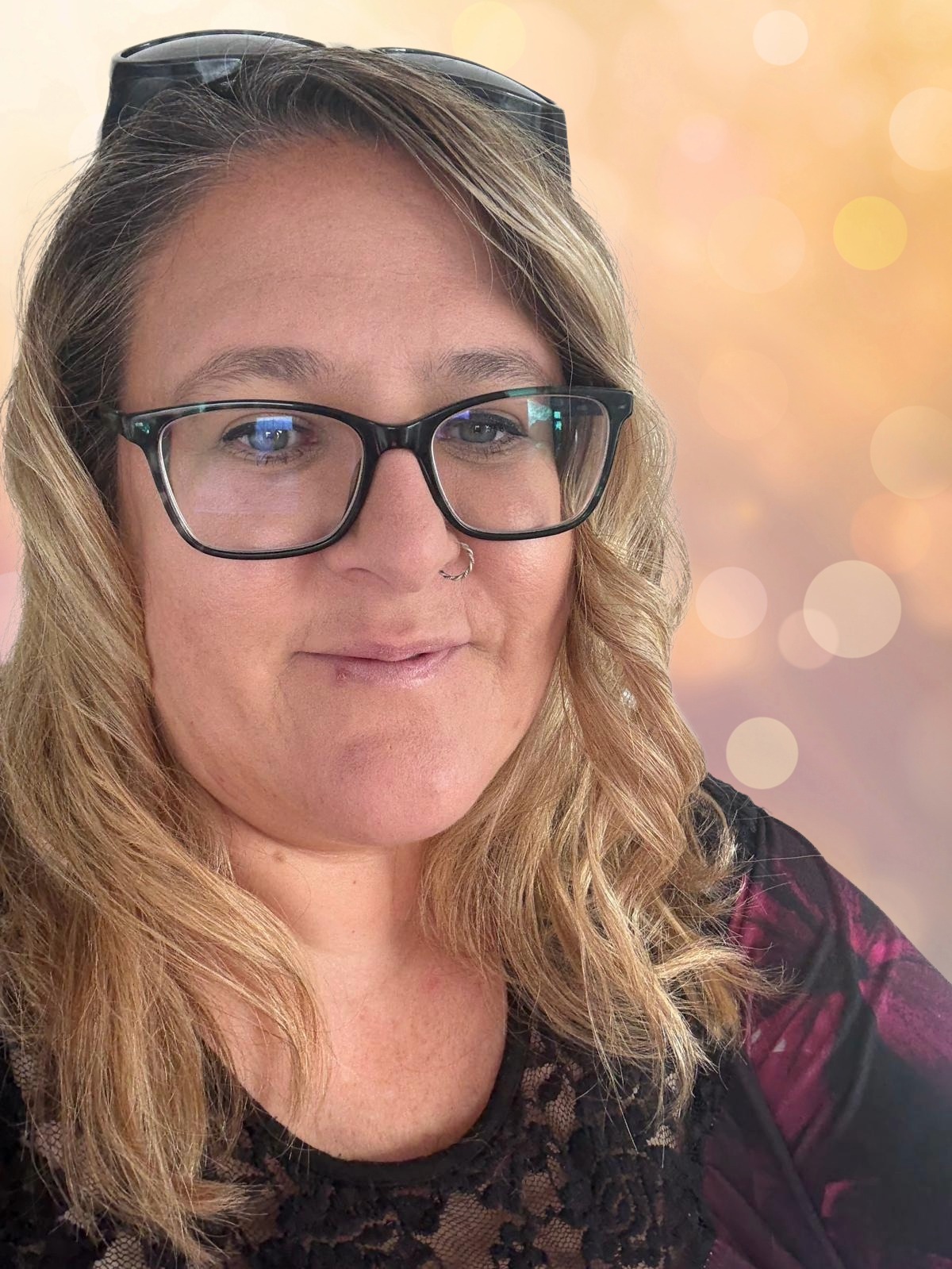
Charlotte Gunn
PhD Researcher, Aston University
Welcome! I'm Charlotte Gunn—please call me Charlie. I am a graduate of Coventry University with an MSc in Psychology, currently pursuing my PhD at Aston University.
Research Focus
My work focuses on workplace mental health for vulnerable neurodivergent emerging adults. I use predominantly qualitative methodologies with creative approaches, including work with edible sculptures and paintings on edible materials to fill critical gaps in mental health support literature.
Academic Supervision
I am supervised by distinguished researchers at Aston University:
Background
Originally from Oxfordshire and now residing in the West Midlands, I hold a BA in Media Production from Coventry University. My diverse background includes extensive experience in events, photography, publishing, training, and education. I am a trained secondary teacher specializing in children with complex communication difficulties.
As a neurodivergent person raising a neurodivergent family, I bring personal insight and passion to my research on neurodivergent workplace experiences.
Education
- PhD in Progress - Aston University
- MSc Psychology - Coventry University
- BA Media Production - Coventry University
Experience
- Secondary Teacher (Complex Communication)
- Events & Photography
- Publishing & Training
- Early Career Research
Personal
- Neurodivergent Advocate
- Creative Methodologist
- Accessibility Champion
- Community Builder
Current Research
Innovative approaches to understanding workplace mental health
Creative Qualitative Methodologies
My current research employs innovative creative methodologies, including the use of edible materials within qualitative research. This approach, influenced by local employability training programs in central Birmingham, aims to build deeper understanding of lived experiences within qualitative research frameworks.
Research Goals
- Fill gaps in mental health support literature for young, vulnerable adults
- Create a comprehensive toolkit for workplace mental health
- Develop accessible recruitment and research methodologies
- Support neurodivergent emerging adults in workplace environments
Understanding Research Methodologies
Interested in learning more about qualitative vs. quantitative research? This video provides an excellent introduction to different research methodologies.
Conference Presentations
QMiP Conference 2025 - 20th Anniversary
Qualitative Methods in Psychology Conference
I had the honor of presenting at the biggest conference I have spoken at - the QMiP 20th anniversary celebration conference in Leeds, home of the first conference. This gathering brought together academics dedicated to advancing qualitative research methods in psychology.
Academic Networks
I am also an active member of the Interdisciplinary Health Network (IHN) at Aston University, contributing to collaborative research across health disciplines.
Research Interests & Collaboration
As an early career researcher, I'm actively building networks with organizations and individuals interested in these research areas:
Interested in collaboration? I welcome connections from researchers, organizations, and practitioners working in these areas.
Start a ConversationAccessible Research
Creating inclusive research practices for vulnerable populations
Award-Winning Accessibility Work
My research has prompted discussion at interdisciplinary conferences and led to the creation of accessible participant information sheets designed specifically for vulnerable groups. This work earned recognition through an award-winning poster presentation.
Conference Recognition
Award-winning poster on accessible participant recruitment materials
View Award-Winning PosterCore Accessibility Principles
Inclusive Design
Using appropriate language, formatting, and visual elements to ensure information is accessible to all participants.
Vulnerable Groups
Specialized approaches for reaching and supporting harder-to-reach research populations.
Collaborative Methods
Innovative methodologies that make research participation more engaging and accessible.
Responsible Research
Ensuring ethical and responsible recruitment practices that prioritize participant wellbeing.
Helpful Resources
For researchers looking to improve accessibility in their participant materials, these resources provide guidance on creating inclusive documentation:
Get In Touch
I'd love to hear from you about collaboration opportunities or research interests
I welcome inquiries about research collaboration, speaking opportunities, or general questions about my work.
Institution
Aston University
PhD Researcher
Psychology Department
Location
West Midlands, UK
(Originally from Oxfordshire)